01
Leisure and Hospitality
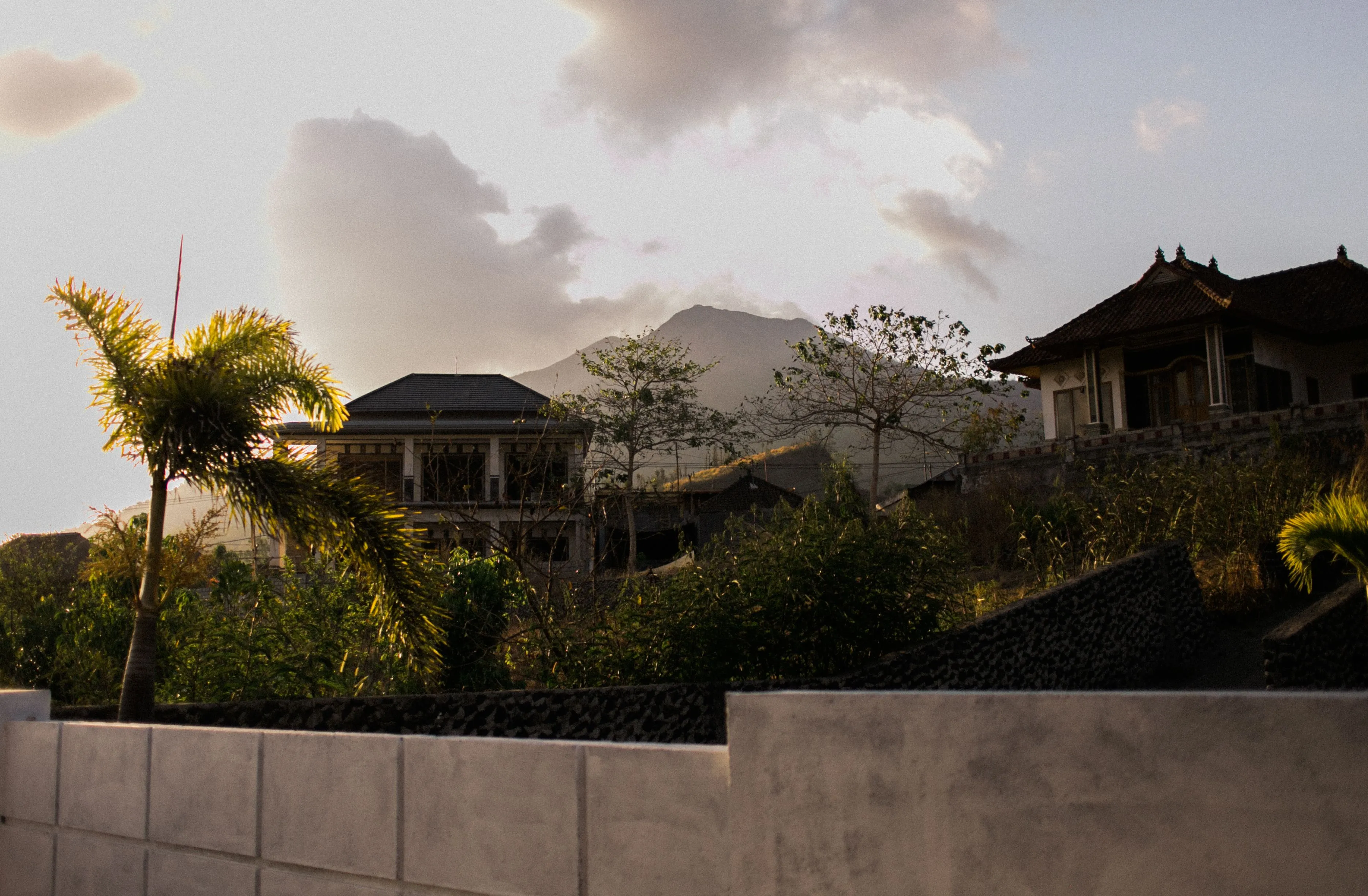
Private residences, rental villas and small boutique properties, where nightly rate, occupancy and the true cost of operation determine whether the asset performs.
Kayon Capital examines what a site will cost to develop, what it can be expected to earn, and whether the market will support the project proposed for it.
Book a consultation
A parcel of land supports several futures, and they are not easily told apart at the point of purchase. One returns capital steadily for two decades. Another returns it slowly and without surplus. What separates them is a small number of decisions taken early: what to build, at what scale, for whom, and at what price.
Those decisions are ordinarily made on instinct, on the advice of people paid to build, and on the evidence of what neighbouring owners have done. By the time foundations are poured the economics are effectively fixed, and each month that follows raises the cost of revisiting them.


01

Who the eventual buyer actually is, what comparable projects nearby are achieving, and what share of that demand a single site can reasonably expect to hold.
02

Land, construction, permits and the working capital required to reach opening, assembled from current local rates and tested against recent projects in the same district.
03
Occupancy, pricing, operating cost and the period to payback, modelled year by year, with every assumption stated and open to challenge.
04

What the site would support were the present plan set aside. Frequently the most valuable section of the report.
Private residences, rental villas and small boutique properties, where nightly rate, occupancy and the true cost of operation determine whether the asset performs.
.D2HjufAc_1suXjB.webp)
Each engagement concludes in a written study of 10 to 30 pages, presented in person or by video, with one revision following. The financial model on which the study rests is delivered as a working file and becomes the property of the client. Assumptions can be revised, scenarios rerun, and the projections carried to a bank or a prospective partner and examined there.
Issuing a locked document is the common practice and it serves the consultant who issues it. A model that can be interrogated remains useful long after the engagement has closed.
Most engagements run one and a half to two and a half weeks from deposit. Required at the outset: the land certificate, any permit issued to date, and the plan as it currently stands.
The site and the intention are described. An honest view follows on whether a study is warranted at this scale.

Scope, fee and delivery are agreed in writing. Work commences on deposit.

Site inspection, local pricing, comparable projects, and where the scale warrants it, a primary survey of demand in the surrounding area.
The written study, the model, and what the figures mean and what course would be taken were the decision ours.



Studies have been prepared for yayasan boards planning campuses, for families deciding the future of land held across a generation, for hospitality operators considering a second property, and for companies assessing developments of greater scale.
Graduated from accounting and finance degree with experience in property in bali.
Kayon Capital was established to answer them. The clients who arrive are, almost without exception, holding a site and a plan they are attached to, and looking for a number they can act on rather than a document that agrees with them.

The analyst who takes the first call conducts the inspection, builds the model and presents the findings. Nothing is delegated and nothing has to be explained twice.
Engagements are priced individually. Scale, asset class and the depth of primary research required determine the fee. Half on instruction, the balance on delivery.
Three engagements are accepted at any one time. The present lead time is approximately three weeks from instruction.
A written assessment of whether a site will support the project proposed for it — what it will cost to develop, what it can be expected to earn, and whether the market will carry it. It is worth commissioning before land is bought or a design is committed to, while the economics can still be changed.
Engagements are priced individually. Scale, asset class and the depth of primary research required determine the fee. Half is payable on instruction, the balance on delivery.
That finding is delivered plainly, with the figures behind it. An opinion is only worth holding if it can be unfavourable, and a study that cannot return an unwelcome answer is not worth commissioning.
They can advise on what can be built and what it will cost to build. Neither is positioned to say whether the market will support it, and both are paid to proceed. The question of whether to build at all is better put to someone with no stake in the answer.
Yes. The model the study rests on is delivered as a working file and becomes your property. Assumptions can be revised, scenarios rerun, and the projections carried to a bank or a prospective partner and examined there.

Thirty minutes, without charge, and a candid view of whether the site and the plan warrant a study at all.
Nothing is passed to a contractor or an agent.